March 13, 2026
Long-term property care involves more than maintaining structures or addressing issues as they arise. The outdoor environment surrounding a home or commercial site plays a critical role in how that property functions, ages, and retains value over time. A well-managed landscape supports drainage, protects soil integrity, frames architectural features, and contributes to how people experience a space on a daily basis. These outcomes rarely happen by accident. They are the result of thoughtful planning, consistent maintenance, and an understanding of how natural systems interact with built environments.
A professional landscaping business serves as a long-term partner in this process. Rather than focusing only on surface-level appearance, an experienced provider evaluates how outdoor elements evolve through seasons and years. Plant selection, grading, irrigation planning, and routine care all influence whether a property remains resilient or begins to show signs of decline. When landscaping decisions are made with longevity in mind, property owners are better positioned to avoid costly corrections later.
As properties continue to age and usage patterns shift, outdoor spaces must adapt as well. A landscaping business brings both technical knowledge and practical insight to these transitions, helping property owners align short-term goals with long-term outcomes. Understanding the role this partnership plays provides clarity on why consistent landscape care is a foundational part of responsible property management.
Supporting Property Health Over Time
Healthy landscapes contribute directly to the overall health of a property. Soil stability, water flow, and plant vitality all influence how outdoor areas interact with nearby structures. When these elements are neglected, issues such as erosion, pooling water, and root intrusion can compromise foundations, walkways, and utilities. A landscaping business addresses these concerns proactively by monitoring site conditions and making adjustments before problems escalate.
One of the most important contributions involves soil management. Compacted or nutrient-depleted soil limits plant growth and reduces water absorption, increasing runoff risks. Through aeration, soil amendments, and proper planting techniques, long-term soil health can be restored and maintained. These practices support deeper root systems, which stabilize the ground and reduce stress on surrounding hardscapes.
Drainage planning is another critical factor. Over time, natural settling and environmental changes can alter how water moves across a property. A landscaping business evaluates grading and drainage patterns to ensure water is directed away from structures and high-traffic areas. By maintaining these systems, property owners reduce the likelihood of moisture-related damage that often goes unnoticed until repairs become unavoidable.
Preserving Visual Consistency and Curb Appeal
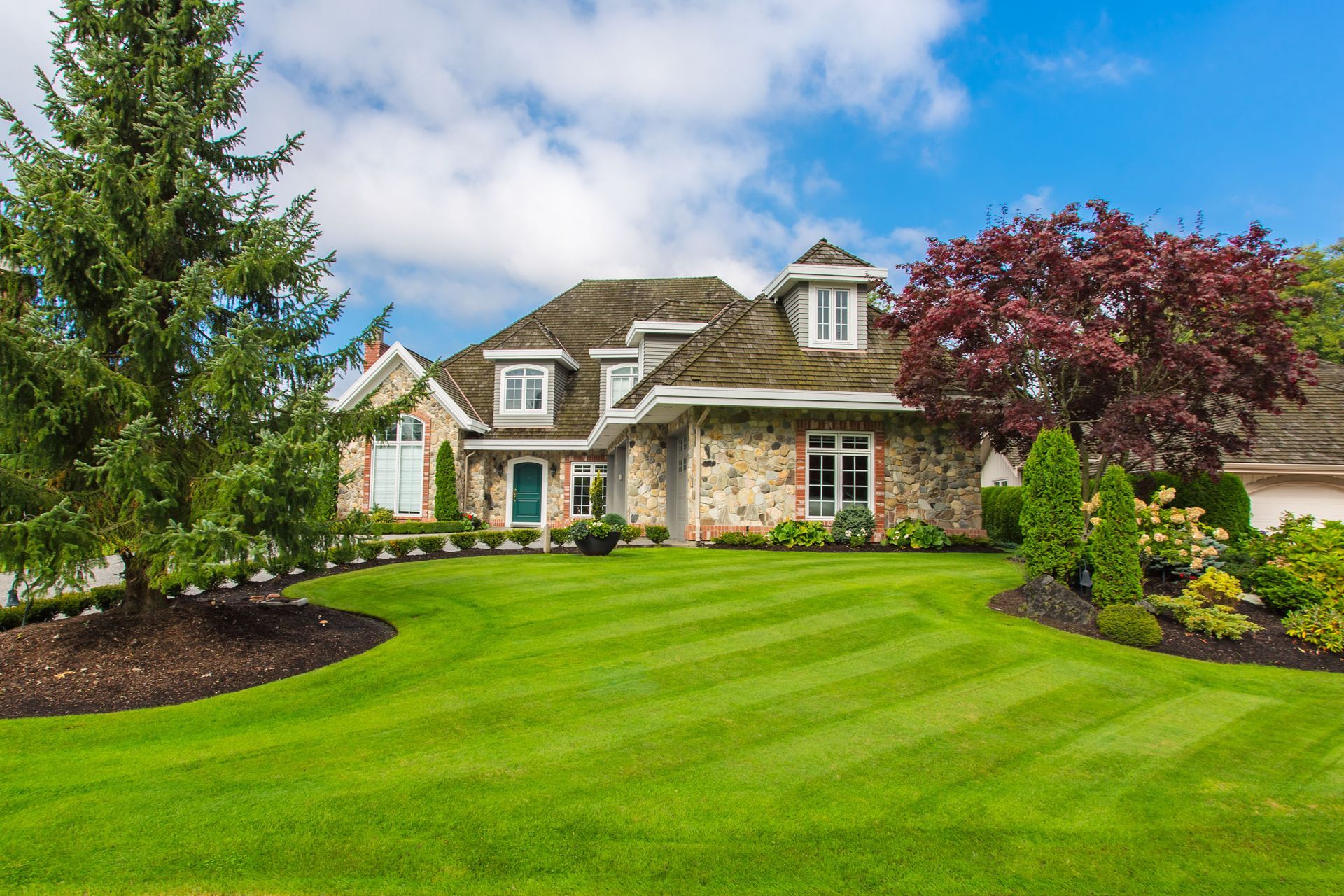
Visual consistency plays a major role in how a property is perceived, whether it is a private residence or a commercial site. Overgrown plantings, uneven turf, and declining landscape features can make even well-maintained buildings appear neglected. A landscaping business helps preserve curb appeal by ensuring that outdoor elements remain balanced, intentional, and aligned with the property’s original design goals.
Long-term visual care involves more than routine mowing or trimming. Trees and shrubs require strategic pruning to maintain shape, promote healthy growth, and prevent overcrowding. Seasonal color planning ensures that landscapes remain visually engaging throughout the year, rather than appearing vibrant for only a brief period. These efforts contribute to a cohesive look that reinforces property value over time.
Consistency also matters for branding and community perception. For commercial properties, exterior presentation can influence how clients, tenants, and visitors view the organization inside. A landscaping business provides structured maintenance schedules that prevent fluctuations in appearance, helping properties maintain a polished and dependable image across seasons and years.
Managing Seasonal Changes Effectively
Every season introduces new demands on a property’s landscape. Temperature shifts, precipitation patterns, and plant dormancy cycles all require different approaches to care. A landscaping business understands how to adapt maintenance strategies throughout the year, ensuring that landscapes remain functional and protected regardless of weather conditions.
Spring and summer often focus on growth management, irrigation oversight, and pest monitoring. Fall introduces tasks such as leaf management, pruning preparation, and soil conditioning. Winter brings its own challenges, including protecting plants from cold stress and managing snow or ice impacts on hardscape areas. Addressing these transitions systematically helps prevent cumulative damage that can shorten the lifespan of outdoor features.
According to Workyard, about 20 percent of landscapers offer holiday light hanging as a service. This detail highlights how seasonal services can extend beyond traditional maintenance and reflect evolving property needs. By coordinating these offerings with broader landscape care, a landscaping business supports both functional upkeep and seasonal presentation without disrupting long-term planning.
Enhancing Property Functionality
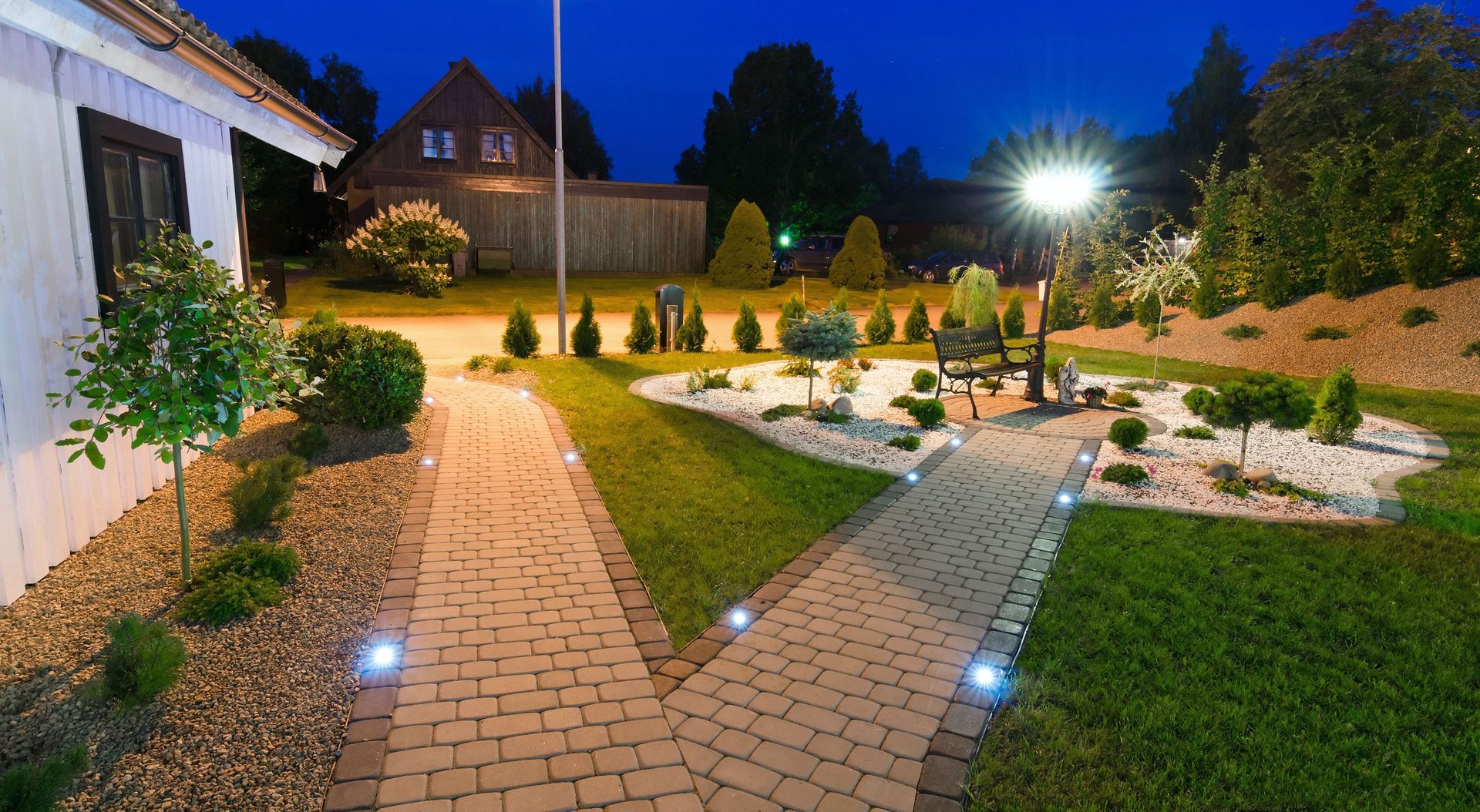
Outdoor spaces are increasingly expected to serve multiple purposes, from recreation and relaxation to circulation and safety. A landscaping business contributes to long-term property care by designing and maintaining landscapes that support how people actually use the space. Walkways, lighting, planting layouts, and open areas must all work together to create environments that are both attractive and practical.
Functional landscaping also addresses accessibility and movement. Clear pathways, properly trimmed sightlines, and well-maintained surfaces reduce hazards and improve usability. Over time, these considerations become especially important as properties experience increased foot traffic or changing occupant needs. Regular evaluations allow adjustments to be made without requiring large-scale redesigns.
In residential settings, functional landscapes can support outdoor living areas, play spaces, and privacy buffers. In commercial environments, they can guide visitor flow and define entry points. A landscaping business ensures these elements remain effective as vegetation matures and site conditions evolve, preserving usability well into the future.
Protecting Long-Term Property Value
Property value is influenced by a combination of structural integrity, appearance, and ongoing maintenance history. Landscapes that are thoughtfully maintained contribute to positive appraisals and buyer perceptions. A landscaping business plays a key role in protecting this value by preventing deterioration that can be costly to reverse.
Neglected landscapes often signal deferred maintenance, which can raise concerns for potential buyers or investors. Issues such as invasive plant growth, damaged turf, or unmanaged trees suggest broader oversight problems. By contrast, consistent landscape care demonstrates proactive management and attention to detail.
Long-term value protection also involves planning for growth. Trees planted too close to structures or utilities may seem manageable initially, but can create expensive conflicts years later. A landscaping business considers mature plant size and root behavior during installation and maintenance, reducing the likelihood of future removal or repair costs. These decisions support property stability over extended periods.
Adapting Landscapes to Changing Needs
Properties are rarely static. Ownership changes, usage patterns shift, and surrounding environments evolve. A landscaping business helps property owners navigate these transitions by adapting outdoor spaces to meet new requirements while preserving long-term health. This adaptability is a defining feature of sustainable property care.
For example, a residential property may transition from a low-use yard to a more active outdoor space as family needs change. Commercial properties may adjust layouts to accommodate increased traffic or new tenants. In each case, landscape modifications must balance immediate goals with existing site conditions and future growth.
Establishing a Reliable Maintenance Partnership
Consistency is one of the most important factors in long-term property care. Sporadic or reactive maintenance often leads to uneven results and overlooked issues. A landscaping business provides structure through regular service schedules, documented care plans, and ongoing communication. This partnership creates accountability and continuity that support lasting outcomes.
Reliable maintenance also allows for trend observation. Changes in plant health, drainage behavior, or soil conditions can be identified early when the same professionals are familiar with the property’s history. This familiarity enables more accurate diagnoses and targeted solutions, preventing minor concerns from becoming major expenses. Call Rockin E Landscapes today to schedule your landscaping service.